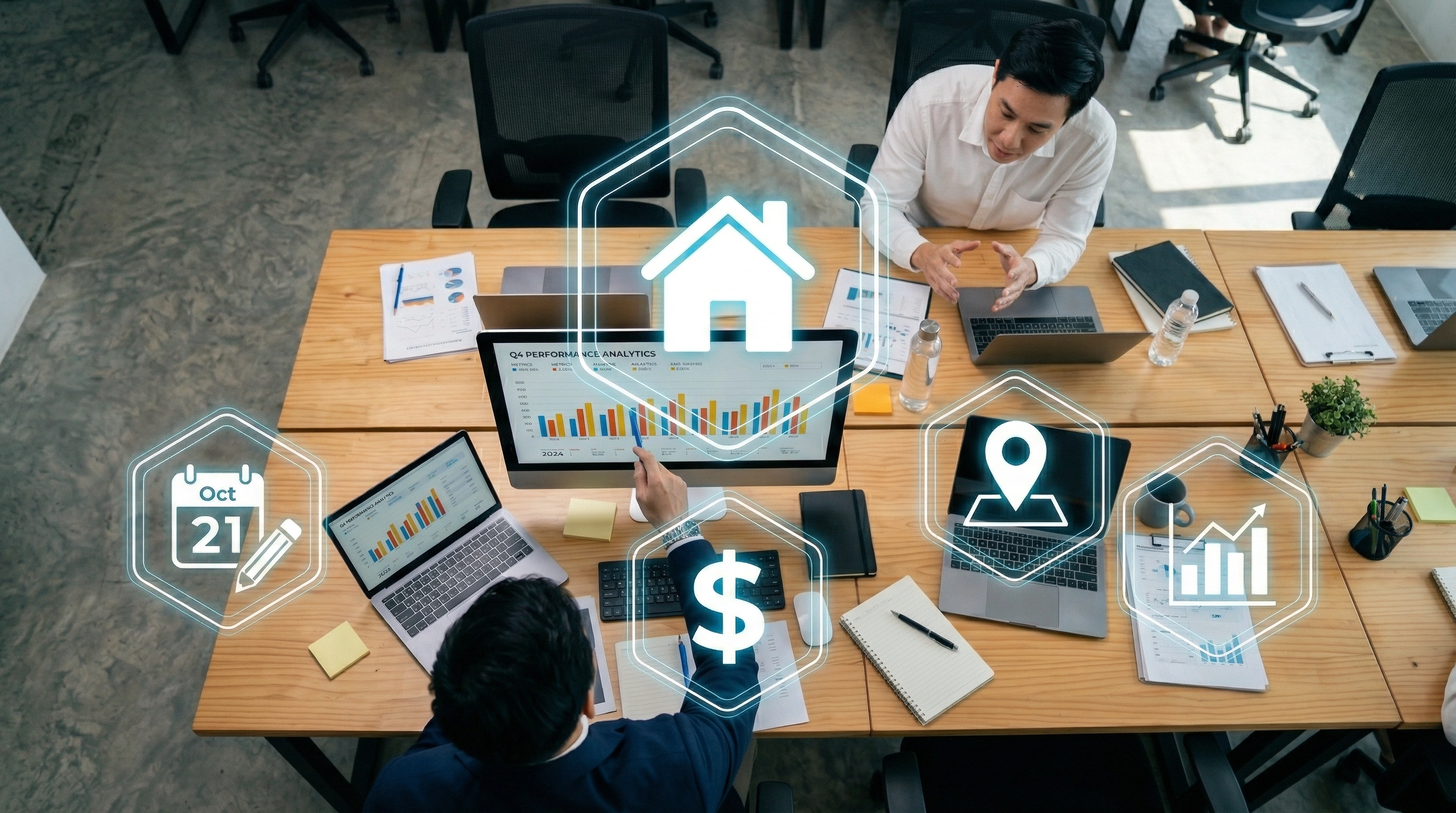
What is the Difference Between Real Estate Development and Real Estate Investment
The real estate sector is one of the largest industries and investment opportunities in Egypt. In recent years, a growing number of investors have entered the field, either through real estate development or real estate investment. While both aim to achieve the primary goal of generating profitable financial returns, they differ significantly in their approach, execution methods, and operational mechanisms.
Real estate development focuses on improving land or creating new projects, whereas real estate investment involves purchasing properties for resale, leasing, or marketing units on behalf of development companies. Understanding this distinction is essential for investors and developers alike, as it helps determine the most suitable strategy in the real estate market based on financial objectives and acceptable risk levels. In this article, we explore the key differences between these two concepts and examine their impact on the dynamics of the Egyptian real estate market.
The Difference Between Real Estate Development and Real Estate Investment?
Real Estate Development Real estate development is the process of transforming raw land or dilapidated properties into new, value-added projects. This comprehensive process includes multiple stages: planning, design, construction, and eventually marketing for sale or lease.
The primary objective of real estate development is to enhance the value of land or existing properties by creating distinctive added value through innovative projects.
Real Estate Investment Real estate investment is one of the most prominent avenues investors pursue to generate financial returns. It involves purchasing various types of properties—whether residential, commercial, or administrative—and either reselling them at a profit after appreciation or leasing them to secure steady income.
Investors prioritize achieving sustainable returns from their holdings, which requires implementing a well-integrated strategic plan to attract the largest possible number of potential buyers or tenants.
Real Estate Development (Real Estate Development)
The real estate development process encompasses numerous stages, starting from acquiring land or an underperforming property and extending through to marketing, sales, and leasing. Key tasks performed by developers include:
- Conducting a comprehensive feasibility study covering all project phases and details.
- Preparing detailed engineering designs and architectural plans for the entire project.
- Completing all necessary legal procedures to obtain building permits and approvals.
- Providing full supervision and oversight during the construction phase until project completion.
- Developing and executing strategic marketing plans and advertising campaigns to attract the target audience.
- Offering flexible and diverse payment plans to facilitate purchases for a broader range of buyers.
- Managing post-construction operations, including maintenance and facility management.
Challenges Faced by Real Estate Developers Developers may encounter several challenges during the development and construction process, including:
- Design errors that result in substantial additional costs for corrections and rework.
- Suspension or delays in construction due to non-compliance with regulations or legal requirements.
- Funding shortages that hinder the completion of construction phases, leading to delays in unit handover.
Real Estate Investment (Real Estate Investment)
Real estate investment aims to generate attractive financial returns in the short to medium term by purchasing units for rental income or resale after value appreciation. The main responsibilities of real estate investors include:
- Conducting in-depth market research and analysis to identify properties with the highest potential returns.
- Establishing an appropriate budget aligned with the value of the target property.
- Executing the purchase of new or existing properties.
- Managing the acquired assets—either by leasing them or reselling at a higher price at the optimal time.
Challenges Faced by Real Estate Investors Although generally less risky than development, real estate investment still involves significant challenges that can impact profitability and operations:
- Decline in property value after purchase due to economic shifts or market downturns.
- External factors influencing buyer decisions, such as changes in supply and demand, social trends, or political conditions.
- Prolonged vacancy periods that prevent achieving the expected rental income.
Conclusion
In summary, the role of a real estate developer fundamentally differs from that of a real estate investor in terms of execution and oversight. While the investor focuses on financing and securing financial returns from projects, the developer is responsible for bringing the project to life from start to finish—selecting the site, conducting feasibility studies, overseeing design and licensing, managing construction, and handling marketing. Thus, the developer is the key player in transforming ideas into tangible reality, whereas the investor engages with the profitability and returns generated by those completed projects.