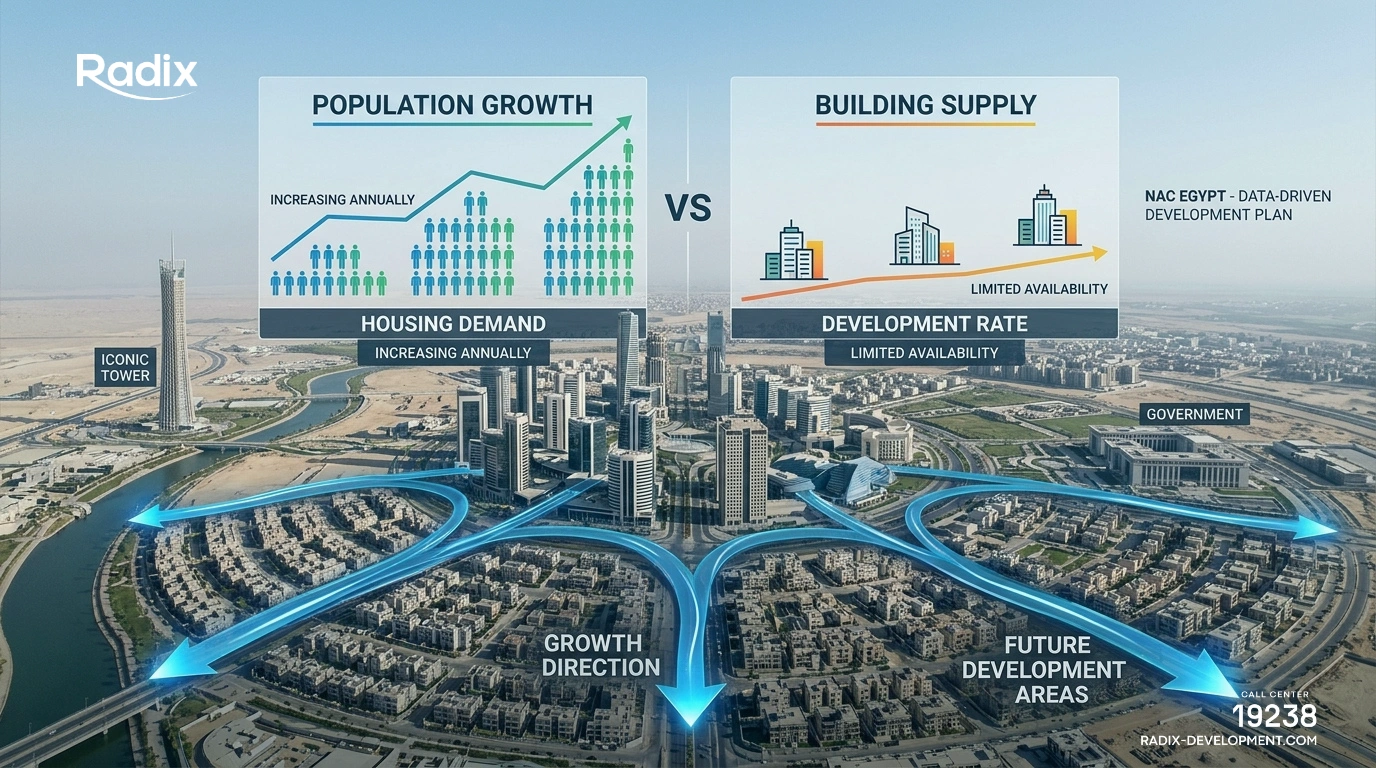
Supply and Demand Gap in the New Administrative Capital
The New Administrative Capital has emerged as a focal point for urban development, attracting residents, investors, and businesses alike. As the city grows, the dynamics between housing supply and demand have become a critical factor shaping the real estate market. Understanding the supply-demand gap is essential for investors, developers, and policymakers to make informed decisions.
Rapid Population Growth Driving Demand
The capital is witnessing an unprecedented population influx due to government relocation, economic opportunities, and improved living standards. This rapid growth has created a strong demand for residential, commercial, and mixed-use properties.
- Steady increase in population and workforce
- Rising demand for affordable and premium housing
- High occupancy rates in key residential districts
Developers must closely monitor population trends to anticipate the type and volume of housing required, ensuring they meet the needs of new residents.
Limited Housing Supply
Despite numerous projects under development, the supply of residential units in the New Administrative Capital has struggled to keep pace with demand. Many projects face delays due to regulatory processes, construction timelines, and infrastructure development.
- Shortage of mid-range and affordable housing units
- Delayed project completion affecting market availability
- Limited availability of fully serviced apartments and villas
This gap creates opportunities for investors and developers to capitalize on high-demand areas where the need for housing remains unmet.
Price Trends and Market Pressure
The imbalance between supply and demand has put upward pressure on property prices, particularly in prime districts. Buyers face increased competition for available units, while rental yields continue to rise due to limited options.
- Appreciation of property prices in high-demand areas
- Higher rental rates driven by low housing availability
- Growing interest from both domestic and international investors
Understanding these trends allows investors to make strategic decisions, whether focusing on short-term sales or long-term rental income.
Strategies to Bridge the Gap
Addressing the supply-demand gap requires coordinated efforts from developers, investors, and government authorities. Innovative solutions, such as mixed-use developments and phased construction projects, can help balance market needs.
- Prioritize development of affordable and mid-range housing
- Implement smart city infrastructure to attract residents
- Encourage public-private partnerships to accelerate project delivery
By targeting the areas with the greatest demand, developers can reduce market pressure and achieve sustainable growth.
Conclusion
The supply and demand gap in the New Administrative Capital highlights both challenges and opportunities for the real estate market. While rapid population growth drives strong demand, limited housing supply creates pressure on prices and rental yields. Strategic investment, timely project delivery, and careful planning are key to bridging this gap. For investors and developers, understanding these dynamics ensures profitable ventures and contributes to the city’s sustainable urban growth