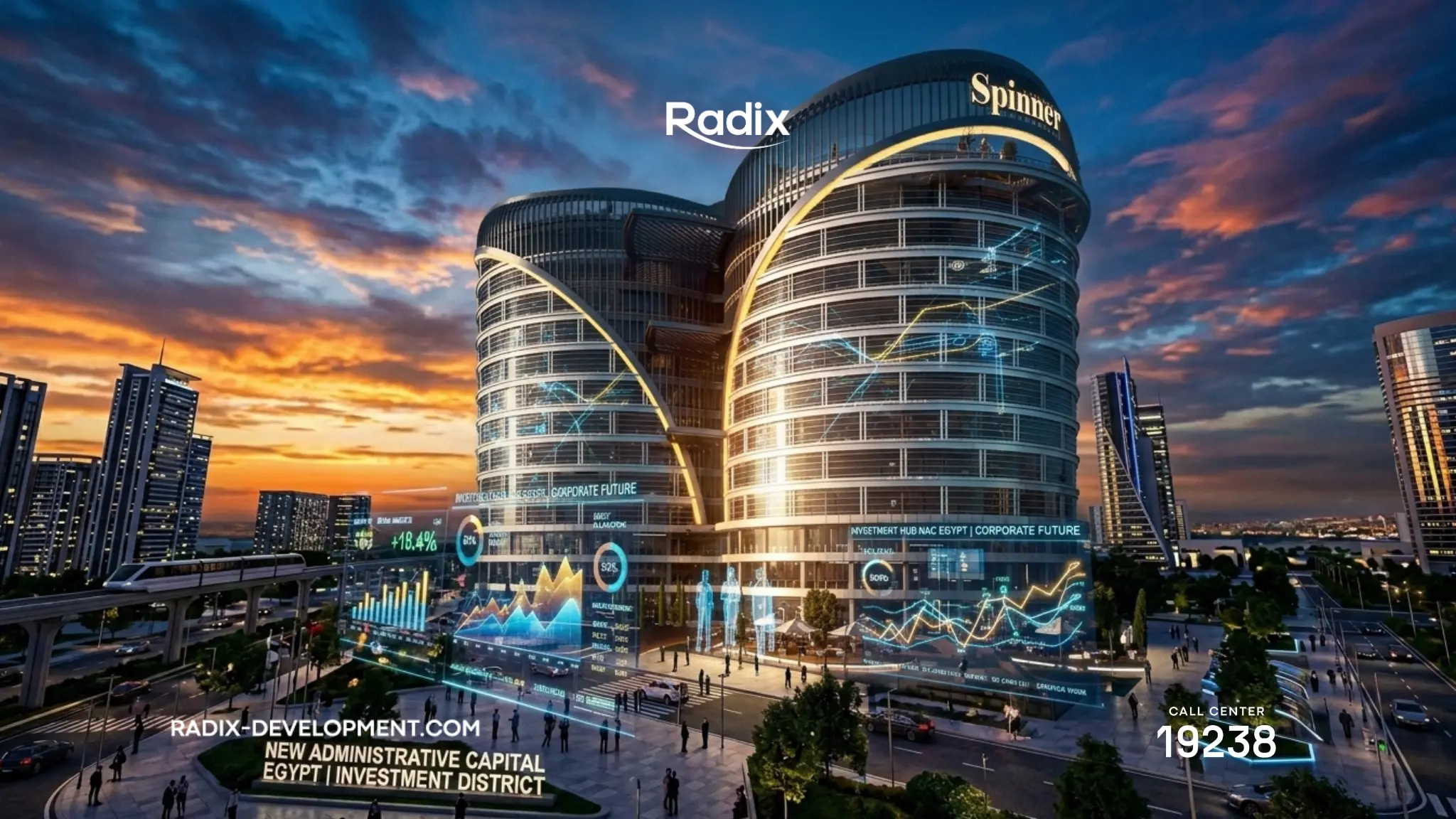
Why Smart Administrative Buildings Are Changing Office Investment in New Capital
The New Administrative Capital in Egypt is rapidly evolving into a fully integrated smart city, and one of the most important shifts in its real estate market is the rise of smart administrative buildings. In 2026, these tech-enabled office spaces are redefining how investors and businesses evaluate commercial properties. Instead of focusing only on location and size, buyers are now prioritizing digital infrastructure, automation systems, and energy efficiency.
Smart buildings are no longer a luxury feature—they are becoming a core requirement for modern office investment in the New Capital.
What Defines a Smart Administrative Building
A smart administrative building is an office structure that uses advanced technology to improve efficiency, security, and user experience. These buildings are designed to integrate digital systems that manage operations automatically.
- Centralized building management systems controlling lighting, climate, and security
- High-speed digital connectivity and integrated IT infrastructure
- Automated access control and advanced surveillance systems
- Energy-efficient systems supported by smart sensors and AI-based monitoring
These features transform traditional offices into intelligent work environments that support modern business needs.
Experience Modern Investment Thinking Best Mall Investment Opportunities in the New Administrative Capital
Smart Features That Matter to Business Owners
Business owners are increasingly attracted to offices that reduce complexity and improve daily operations. Smart features directly impact productivity and employee satisfaction.
- Smart climate control systems that maintain optimal working conditions
- Mobile-controlled access for employees and visitors
- Smart meeting rooms equipped with video conferencing and automation tools
- Real-time monitoring systems for security and facility management
These technologies enhance workplace efficiency and create a more professional business environment.
How Smart Buildings Reduce Operating Costs
One of the biggest advantages of smart administrative buildings is their ability to reduce long-term operational expenses. Technology-driven systems optimize resource usage and minimize waste.
Energy consumption is significantly reduced through automated lighting and climate control systems that adjust based on occupancy. Maintenance costs are also lowered because smart sensors detect issues early before they become expensive problems. Additionally, digital security systems reduce the need for large on-site staffing, further cutting operational expenses.
Over time, these savings make smart offices more cost-effective than traditional buildings.
Unlock Premium Investment Insights Benefits of Owning a Retail Unit in Spinner Mall
Why Tenants Prefer Tech-Enabled Office Spaces
Modern tenants, especially multinational companies and startups, are increasingly choosing smart office spaces due to their flexibility and efficiency. In a competitive business environment, technology has become a key factor in office selection.
- Improved employee productivity through better workplace design and automation
- Enhanced security and data protection systems
- Seamless connectivity for hybrid and remote work models
- Professional image that supports corporate branding and client engagement
As a result, smart buildings tend to achieve higher occupancy rates and stronger tenant retention.
Investment Value of Smart Office Assets
From an investment perspective, smart administrative buildings in the New Capital offer strong long-term value. As demand for technology-driven workspaces continues to grow, these assets are expected to outperform traditional office properties.
Smart offices typically command higher rental rates due to their advanced features and operational efficiency. They also experience lower vacancy rates because of strong tenant demand. In addition, their modern infrastructure increases resale value and attracts institutional investors.
As the New Administrative Capital continues its transition into a fully smart city, technology-enabled office buildings are expected to become the dominant asset class in the commercial real estate market.
Experience Modern Investment Thinking How MU23 Is Becoming the Top Destination for Retail Investment in New Capital