Why Real Estate Developer Reputation Has a Direct Impact on Property Value in Egypt
Property value is influenced by much more than location, unit size, or payment plans. The reputation of the real estate developer behind a project can have a direct impact on buyer confidence, demand, resale potential, and long-term investment value. In Egypt's competitive real estate market, buyers increasingly look beyond attractive advertisements to understand whether a developer has the experience and credibility needed to deliver lasting value.
A trusted developer can create confidence before, during, and after the purchase. Its previous projects, construction standards, customer service, and ability to maintain communities all contribute to how buyers perceive a property and its future potential.
How Brand Reputation Builds Buyer Confidence
A strong developer reputation reduces uncertainty for property buyers. When a company has a visible track record and a portfolio of completed or ongoing projects, buyers have more information on which to base their decisions.
Brand reputation is typically strengthened by:
- Consistent construction and finishing standards
- Successful delivery of previous developments
- Transparent communication with buyers
- Clear contractual commitments
- Professional after-sales and property management services
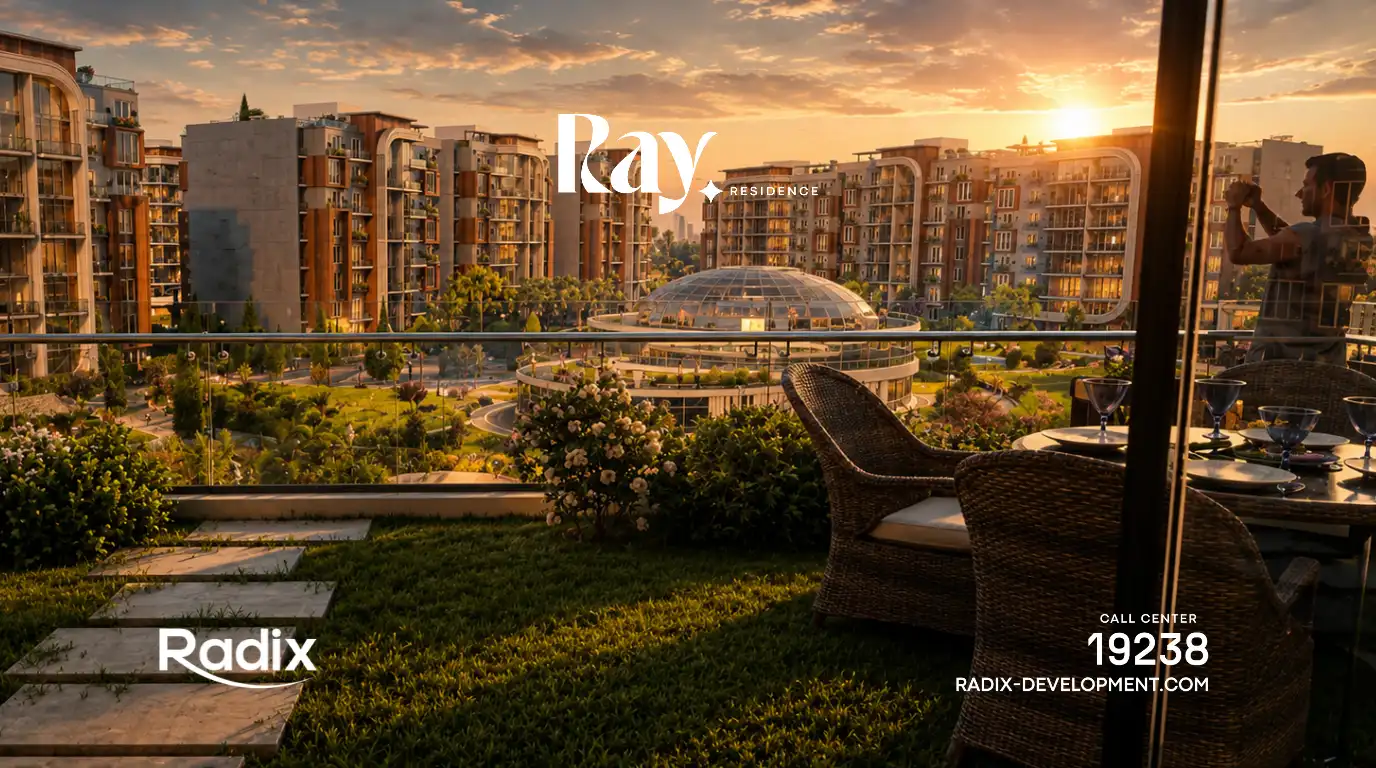
For example, Radix Development has developed a portfolio that includes residential and mixed-use projects such as Ray Residence, Agile Business Complex, and Spinner in the New Administrative Capital. The diversity of its projects gives buyers an opportunity to evaluate the developer across different property segments rather than relying only on marketing claims.
The Relationship Between Trust and Property Appreciation
Trust can influence demand, and demand is an important factor in property appreciation. When buyers recognize a developer as reliable, properties within its projects may benefit from stronger interest from both end users and investors.
A trusted developer can support property value through:
- Well-planned communities and functional layouts
- Consistent construction quality
- Professional project management
- Attractive facilities and supporting services
- Stronger buyer confidence in the secondary market
This does not mean that every property developed by a reputable company will automatically appreciate. Location, infrastructure, market conditions, supply, and demand remain important. However, developer credibility can strengthen the overall investment proposition.
Why Established Developers Attract Higher Demand
Established developers often attract buyers because their previous performance provides a reference point for evaluating future projects. Investors are generally more comfortable considering a development when they can examine the company's history rather than depending entirely on future promises.
In the New Administrative Capital, for instance, Radix's portfolio covers different real estate requirements. Ray Residence focuses on residential living, while Agile Business Complex and Spinner target commercial, administrative, and investment-oriented demand.
This broader presence can help a developer build market recognition while giving buyers more evidence about its development strategy and execution capabilities.
How Quality Construction Protects Investment Value
Construction quality is one of the most tangible factors connecting a developer's reputation with property value. Poor materials, weak maintenance, or inconsistent execution can negatively affect a property's appearance, functionality, and resale attractiveness over time.
Buyers should therefore assess:
- Building materials and finishing specifications
- Quality-control procedures during construction
- Design efficiency and space utilization
- Infrastructure and building systems
- Maintenance standards after handover
A property that remains functional, attractive, and well maintained is more likely to retain buyer interest. This is particularly important for investors who may eventually rent or resell their units.
The Long Term Benefits of Buying From a Trusted Developer
The developer's role can continue well beyond the initial sale. Long-term services, maintenance, facility management, and customer support can all influence how a project performs after handover.
For buyers, the long-term benefits may include:
- Greater confidence in project execution
- Better-maintained shared facilities
- More organized community management
- Stronger resale positioning
- Greater clarity when addressing post-handover issues
Radix Development's residential and mixed-use portfolio illustrates why investors should examine a developer's approach across the entire property lifecycle, rather than evaluating a project solely on its launch-stage features.
Choosing a Developer That Supports Future Growth
A developer's reputation should also be evaluated in relation to its long-term vision. Buyers should consider whether the company is developing projects that respond to changing market needs and whether its approach can support sustainable communities and investment demand.
Before choosing a developer, buyers can examine:
- The company's previous and current projects
- Its expansion across strategic locations
- The quality and diversity of its developments
- Its approach to technology and modern building requirements
- Its customer and after-sales strategy
- Its ability to create projects with lasting market relevance
For investors considering Egypt's New Administrative Capital, comparing developers through these criteria can provide a clearer picture of which companies are positioned to support property value beyond the initial purchase.