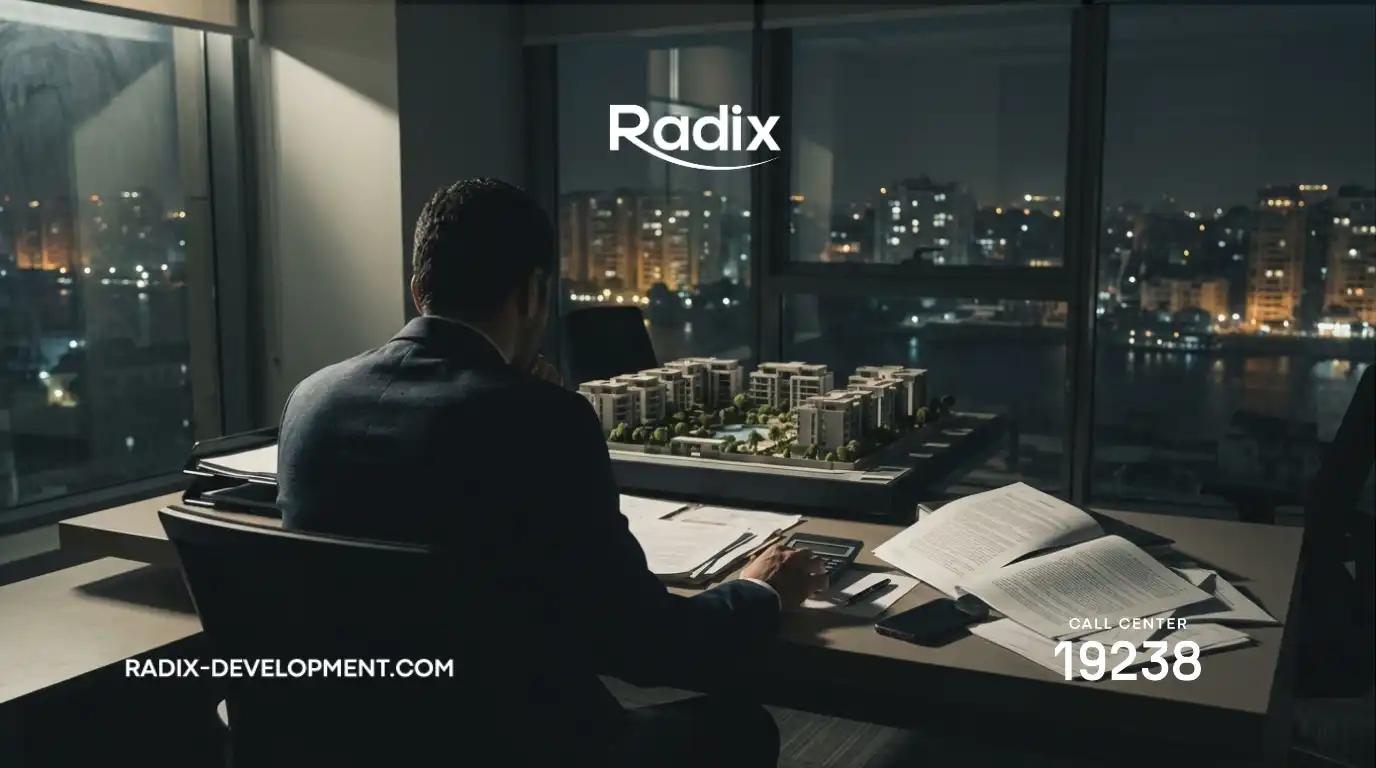
The Most Common Investment Mistakes in the New Administrative Capital
Investing in the New Administrative Capital offers significant opportunities, but choosing the wrong property or development can limit returns and create unexpected financial risks. With numerous residential, commercial, and administrative projects available, investors need to conduct proper research before committing their capital. Understanding the most common mistakes can help buyers make more informed decisions and identify properties with stronger long-term potential.
Buying Without Understanding the Market
One of the biggest mistakes investors make is purchasing property without understanding the market conditions in the New Administrative Capital.
- Ignoring market demand: Investors should examine whether there is genuine demand for the selected property type and location.
- Overlooking district differences: Each district has different levels of development, accessibility, services, and investment potential.
- Relying on advertisements: Promotional claims should be compared with actual market conditions and project progress.
- Failing to research prices: Comparing prices across similar developments can help investors identify whether a property is competitively priced.
Choosing a Project Based Only on Price
A low purchase price does not necessarily mean a better investment. Focusing exclusively on price can cause investors to overlook important factors that influence long-term value.
- Location: A cheaper property in a weak location may perform worse than a more expensive property in a strategic area.
- Quality: Construction standards, finishing, facilities, and property management can affect future demand.
- Payment terms: A lower price may come with less favorable payment conditions or additional costs.
- Rental and resale potential: Investors should consider how easily the property could attract tenants or buyers in the future.
Ignoring the Developer Track Record
The developer plays a critical role in determining the quality, delivery, and long-term performance of a real estate project.
- Previous projects: Buyers should review completed developments and assess their quality.
- Delivery history: Delays can affect investment plans, rental income, and resale opportunities.
- Financial stability: A financially strong developer is generally better positioned to complete large-scale projects.
- After-sales services: Maintenance and property management can have a significant impact on the long-term value of a development.
Underestimating Long Term Investment Costs
Some investors focus on the purchase price while overlooking the additional expenses associated with owning and operating a property.
- Maintenance fees: Service and maintenance charges should be included in the investment calculation.
- Finishing costs: Unfinished units may require significant additional spending before they can be occupied or rented.
- Management expenses: Commercial and rental properties may require ongoing management and operational costs.
- Financing costs: Investors using financing or long installment plans should calculate the total amount paid over the investment period.
Missing Opportunities in High Growth Locations
Another common mistake is focusing only on established areas while overlooking districts with strong future development potential.
- Infrastructure plans: New roads, transportation links, and public services can increase the attractiveness of emerging locations.
- Future business activity: Areas expected to benefit from expanding commercial and administrative activity may experience stronger demand.
- Limited supply: Properties in strategically positioned areas with limited future supply can have stronger appreciation potential.
- Early investment: Entering a promising development at an earlier stage may provide pricing advantages, although it also requires careful assessment of development and delivery risks.
A Practical Checklist Before Making Your Investment
Before purchasing property in the New Administrative Capital, investors should review the most important financial, legal, and market factors.
- Define your investment objective: rental income, resale, capital appreciation, or personal use.
- Research the district and its future infrastructure plans.
- Compare prices with similar projects in the same area.
- Check the developer’s previous projects and delivery record.
- Review the full payment plan and calculate the total purchase cost.
- Include maintenance, finishing, service, and management expenses.
- Evaluate rental demand and potential resale liquidity.
- Review the property contract and ownership conditions carefully.
- Visit the project and assess its location and surrounding developments.
- Compare several properties before making the final investment decision.