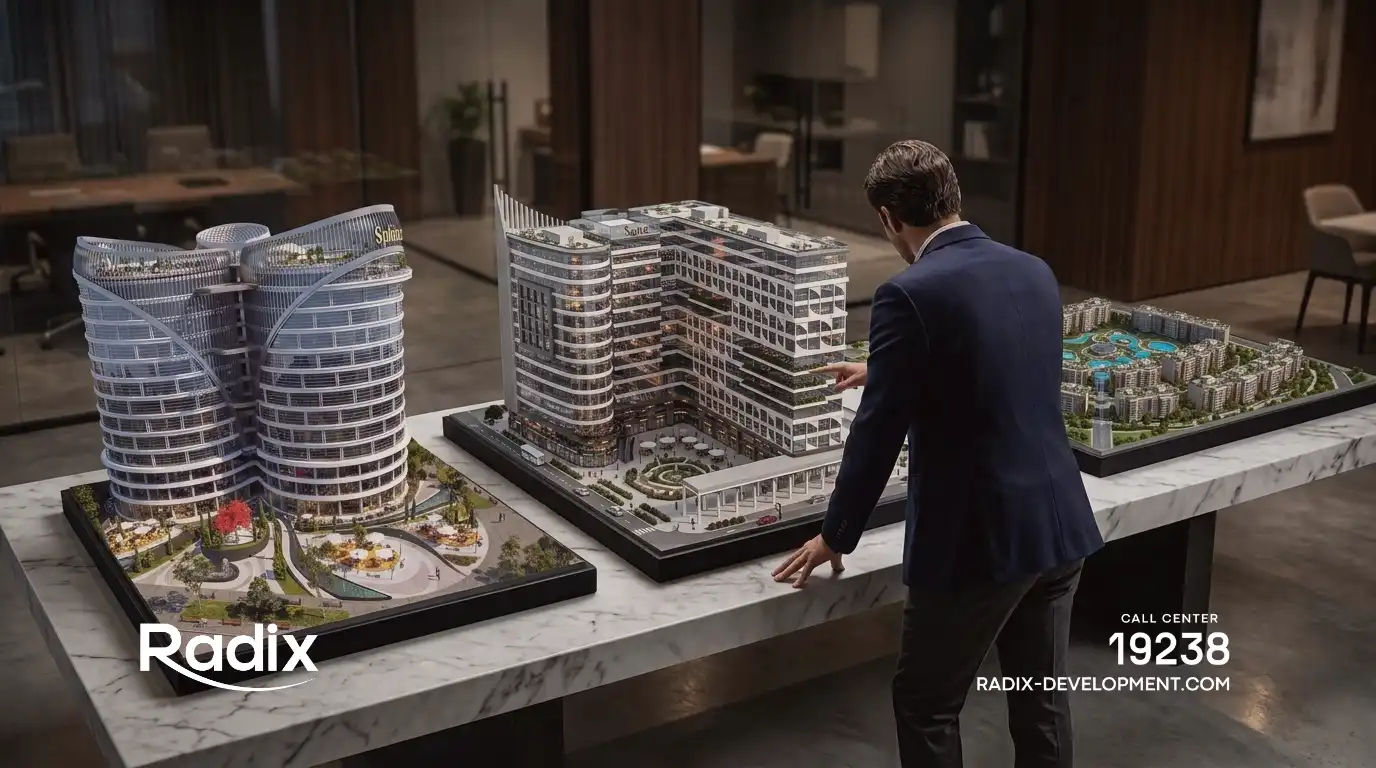
How to Choose the Right Property in the New Administrative Capital
Choosing the right property in the New Administrative Capital requires more than comparing prices and locations. With numerous residential, commercial, and administrative developments available, investors need to evaluate their objectives, property type, developer reputation, payment plans, and future growth prospects. A structured approach can help buyers select a property that fits their financial capacity while offering strong long-term value.
Defining Your Investment Objectives Before You Buy
Before purchasing any property, investors should establish exactly what they want to achieve from the investment.
- Rental income: Investors seeking regular income should prioritize properties in locations with strong demand from residents, employees, and businesses.
- Capital appreciation: Buyers focused on long-term growth should consider strategic locations with expanding infrastructure and development.
- Resale: Properties with attractive locations, competitive prices, and strong market demand may offer better resale opportunities.
- Personal use: Buyers planning to live in the property should prioritize services, accessibility, community facilities, and unit design.
Selecting the Right Property Type for Your Financial Goals
The New Administrative Capital offers different property types, and each can serve a different investment strategy.
- Residential apartments: Suitable for personal use, rental income, and long-term appreciation.
- Commercial units: Can provide opportunities for rental income and capital growth in high-traffic locations.
- Administrative offices: Attractive for investors targeting demand from companies and professionals.
- Mixed-use properties: Combine different uses and can benefit from diversified demand.
- Luxury properties: Suitable for buyers targeting premium markets and higher-income tenants or purchasers.
Evaluating Developers Before Making a Purchase
The developer’s reputation can have a significant impact on the quality, delivery, and future value of a property.
- Track record: Review the developer’s previous projects and delivery history.
- Construction quality: Examine completed developments to assess building standards and finishing.
- Financial strength: A financially stable developer is better positioned to complete projects on schedule.
- After-sales services: Maintenance, customer support, and property management can affect the long-term experience.
- Project delivery: Compare promised delivery dates with the developer’s previous performance.
Understanding Payment Plans and Total Investment Cost
A low down payment does not necessarily mean a low-cost investment. Buyers should calculate the full financial commitment before signing a contract.
- Down payment: Determine how much capital is required initially.
- Installments: Review the payment schedule and ensure installments fit your budget.
- Maintenance fees: Include expected maintenance and service charges in the total cost.
- Finishing expenses: Consider additional costs if the unit requires finishing or furnishing.
- Return expectations: Compare the total investment cost with realistic rental income and potential resale value.
Identifying Projects With Strong Future Growth Potential
Future growth depends on more than the current appearance of a development. Investors should examine the factors likely to increase demand over time.
- Strategic location: Projects near major roads, business districts, and important landmarks can have stronger potential.
- Infrastructure: New transportation networks and public services can increase accessibility and property demand.
- Population growth: Projects expected to attract residents and employees may benefit from stronger rental and resale demand.
- Commercial activity: Nearby retail, offices, schools, healthcare facilities, and entertainment can improve the attractiveness of a community.
- Development quality: Well-planned projects with strong facilities and reliable developers can maintain their appeal as the market matures.
Making a Smart Buying Decision With Confidence
A smart property purchase requires comparing several options instead of making a decision based on advertising or price alone.
- Compare multiple projects: Evaluate location, prices, unit sizes, facilities, developers, and payment plans.
- Visit the development: Whenever possible, inspect the project and its surrounding area before purchasing.
- Review the contract: Understand ownership terms, delivery dates, payment obligations, and additional fees.
- Calculate your budget: Avoid choosing a property that creates excessive financial pressure.
- Think long term: Consider how the property could perform over several years rather than focusing only on immediate returns.