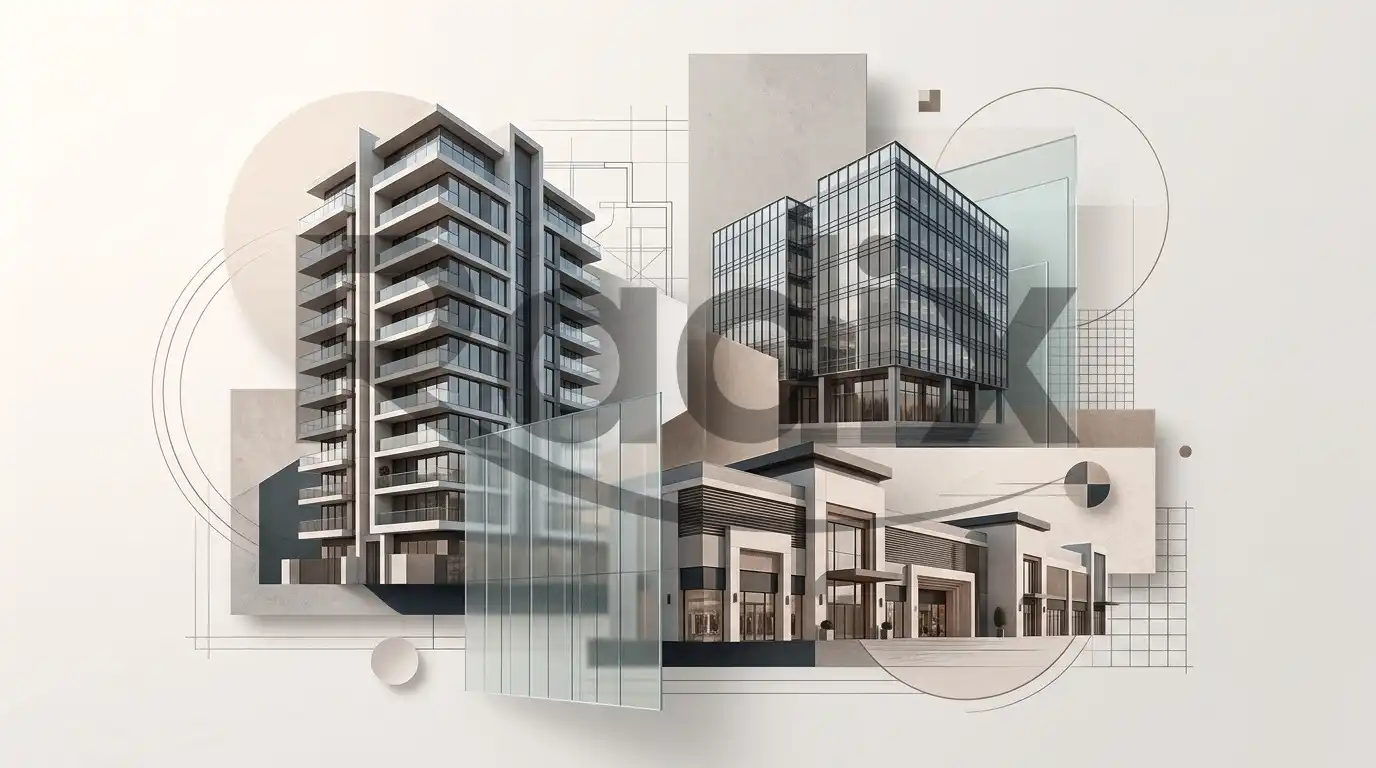
How to Build a Diversified Real Estate Investment Portfolio in Egypt
Building a diversified real estate investment portfolio in Egypt requires a strategic approach that goes beyond owning multiple properties. Successful investors focus on balancing different asset classes, evaluating market demand, and selecting projects in locations with strong growth potential. Combining residential, commercial, administrative, and mixed-use properties can create a more balanced portfolio while opening opportunities for both rental income and long-term capital appreciation.
Setting Clear Investment Objectives
Every successful real estate investment strategy starts with clearly defined objectives. Before purchasing a property, investors should determine whether their primary goal is generating rental income, achieving long-term capital appreciation, preserving wealth, or building a portfolio for future expansion.
Clear objectives make it easier to identify suitable property types and locations while helping investors manage their capital more effectively.
Important considerations include:
- Defining short-term and long-term investment goals.
- Establishing the preferred investment horizon.
- Balancing income generation with capital appreciation.
- Assessing individual risk tolerance.
- Creating a plan for future portfolio expansion.
A clearly defined strategy also helps investors avoid purchasing properties based solely on short-term market trends.
Diversifying Across Different Property Types
Diversification is a fundamental principle of successful real estate investing. Instead of concentrating investments in one property category, investors can combine residential, commercial, administrative, and medical assets to create a more balanced portfolio.
Residential properties can benefit from sustained housing demand, while commercial units may provide opportunities linked to retail and consumer activity. Administrative properties can benefit from business expansion, whereas mixed-use developments can combine several investment opportunities within a single destination.
A diversified portfolio may include:
- Residential units for long-term housing demand.
- Commercial properties targeting retail and service businesses.
- Administrative offices serving companies and professionals.
- Medical units responding to healthcare demand.
- Mixed-use developments combining multiple activities.
Radix Developments and Portfolio Diversification
Radix Developments offers several examples of projects that reflect the diversity of Egypt’s real estate investment market, particularly in the New Administrative Capital.
Ray Residence New Capital represents the residential segment of a diversified portfolio. Located in the R8 district, the project offers residential units within a planned community supported by lifestyle facilities and services. Its residential positioning makes it relevant for investors seeking exposure to the housing market and long-term residential demand.
On the commercial and administrative side, Spinner Mall New Capital combines commercial, administrative, and medical units in the MU23 area. This integrated concept allows investors to explore different business activities within one development while benefiting from the growing commercial environment of the New Administrative Capital.
Another example is Radix Agile Mall New Capital, located in the Downtown area. The development combines commercial, administrative, and medical activities, providing a diversified environment designed to accommodate different investment and business requirements.
Together, these Radix developments demonstrate how investors can diversify their portfolios across different property categories while focusing on strategic locations and emerging urban destinations.
Balancing Risk and Long-Term Growth
A diversified portfolio should not simply contain several properties. Each asset should serve a specific purpose within the overall investment strategy.
Concentrating investments in one property type or location can increase exposure to changes in demand. By contrast, combining different asset classes can help distribute investment risk and create several potential sources of returns.
Before acquiring a property, investors should evaluate:
- The strength and accessibility of its location.
- Existing and future infrastructure.
- Current and projected market demand.
- The reputation and experience of the developer.
- Potential rental demand.
- Resale and liquidity prospects.
- Long-term development plans for the surrounding area.
This approach allows investors to focus on sustainable growth rather than short-term market movements.
Managing Cash Flow and Rental Income
Cash flow plays an important role in maintaining a healthy real estate portfolio. Income-generating properties can provide recurring revenue that may support property management, maintenance, and future investment decisions.
Residential properties can generate rental income from housing demand, while commercial and administrative units can attract businesses seeking strategic locations for their operations.
Effective cash-flow management requires investors to consider:
- Expected rental demand.
- Potential vacancy periods.
- Property management requirements.
- Maintenance and operating expenses.
- Tenant quality and stability.
- Long-term income potential.
The objective is to create a portfolio where income-producing properties complement assets primarily selected for capital appreciation.
Expanding Your Portfolio Through Smart Investments
Portfolio growth should be strategic rather than driven by the desire to own more properties. Investors should monitor the performance of their existing assets and identify opportunities that strengthen their overall portfolio.
For example, an investor with residential exposure may consider adding a commercial or administrative property to increase diversification. Similarly, an investor focused on commercial assets could consider residential real estate to gain exposure to a different segment of market demand.
Radix’s portfolio in the New Administrative Capital provides examples of this approach through Ray Residence, Spinner Mall, and Radix Agile Mall, each representing different property segments and investment considerations.
Expanding gradually can allow investors to maintain greater control over their capital while adapting their strategy to changing market conditions.
Creating a Sustainable Property Investment Plan
A sustainable real estate investment plan should be flexible enough to respond to economic developments, changes in demand, and new opportunities.
Egypt’s expanding urban communities, infrastructure projects, and growing business activity continue to create new areas of interest for property investors. However, investors should regularly reassess their portfolios rather than assuming that every asset will perform equally over time.
A sustainable plan should include:
- Regular portfolio performance reviews.
- Continuous monitoring of market demand.
- Evaluation of rental and resale potential.
- Diversification across suitable property categories.
- Research into emerging investment destinations.
- Careful planning before acquiring additional assets.
Building Long-Term Wealth Through Diversification
Building a diversified real estate investment portfolio in Egypt is ultimately about achieving the right balance between income, growth, and risk management.
Residential properties can provide exposure to long-term housing demand, while commercial and administrative assets can benefit from expanding business activity. Mixed-use developments add another layer of diversification by bringing different functions and sources of demand together.
By defining clear objectives, selecting properties carefully, evaluating market fundamentals, and gradually expanding across complementary asset classes, investors can create a portfolio designed for sustainable long-term growth.
The key is not simply to own more properties, but to own the right combination of properties. Strategic diversification allows investors to respond to changing market conditions while building a stronger foundation for long-term wealth creation in Egypt’s evolving real estate sector.